
Google Veo 3.1: Groundbreaking AI Video Generation with Unprecedented Control
Google has introduced Veo 3.1, a significant update to its AI video generation model, that empowers creators with enhanced control, realism, and narrative capabilities. This latest iteration builds upon the foundation of its predecessors, focusing on key areas such as audio integration, extended clip lengths, and more precise adherence to user prompts. Veo 3.1 is positioned as a tool for both rapid prototyping and high-fidelity video production, aiming to be more useful for storytellers, brands, and developers.
Key Features of Veo 3.1
Veo 3.1 introduces a suite of advanced features designed to provide users with granular control over the video generation process. These capabilities, now often including synchronized audio, mark a significant step forward in AI-driven content creation.
Frames to Video (First and Last Frame Control)
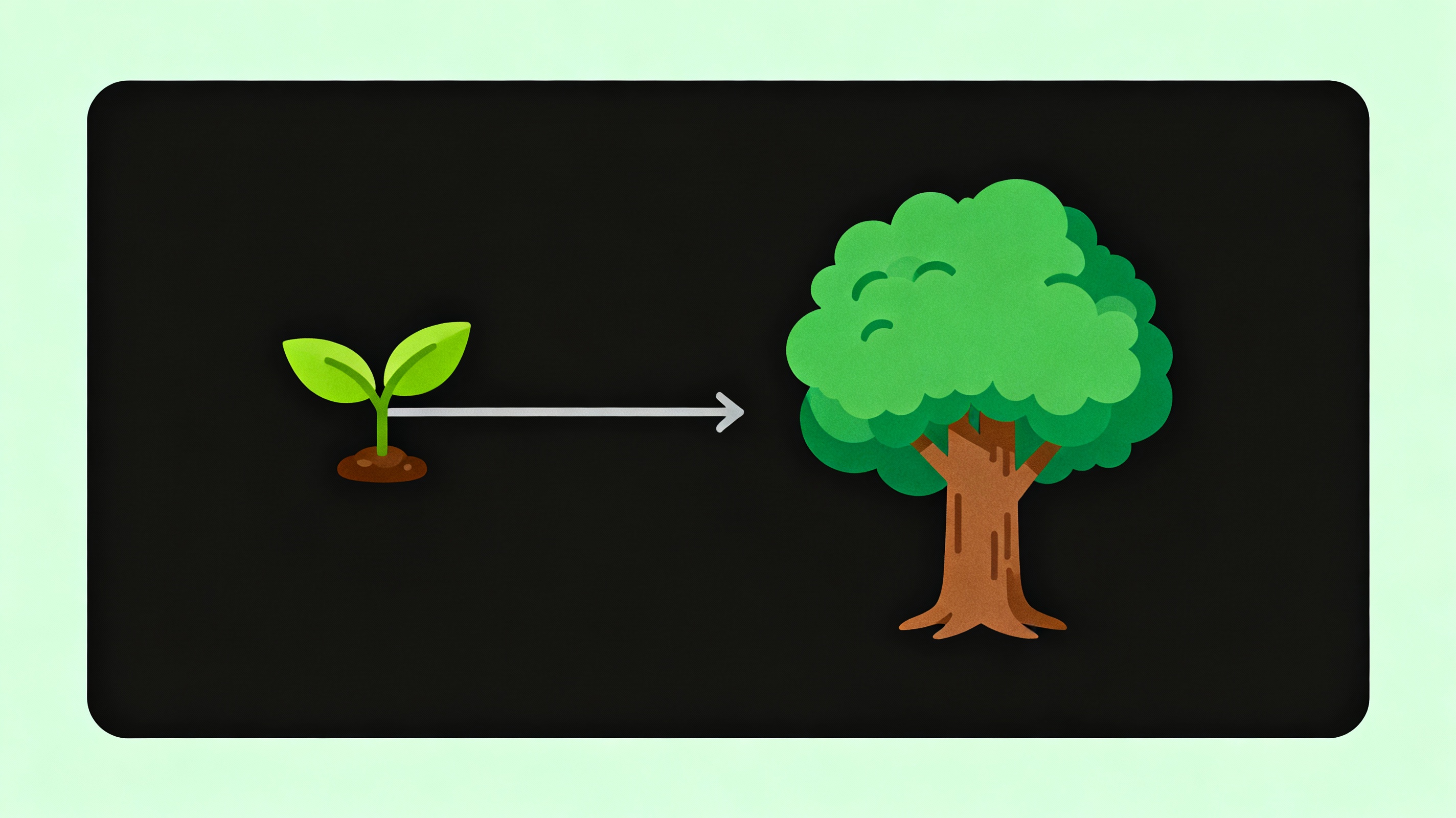
This feature allows users to define the beginning and end of their video's narrative arc by providing a starting and a final image. Veo 3.1 then seamlessly generates the transitional scenes between these two points, complete with accompanying audio, creating a smooth and natural video sequence. This offers precise control over the visual progression of the story.
Ingredients to Video

To ensure stylistic and character consistency, the ‘Ingredients to Video’ feature enables users to guide the generation process with up to three reference images. This is particularly useful for maintaining the appearance of a character or applying a specific aesthetic across multiple shots, leading to a more cohesive final product. This capability now also includes audio generation.
Richer Native Audio Generation
A significant enhancement in Veo 3.1 is its upgraded native audio generation. The model produces high-quality, synchronized sound that complements the visuals, from dialogue and sound effects to ambient atmospheres. This integration of audio generation across various features reduces the need for separate sound design, streamlining the creative workflow.
Consistent Characters
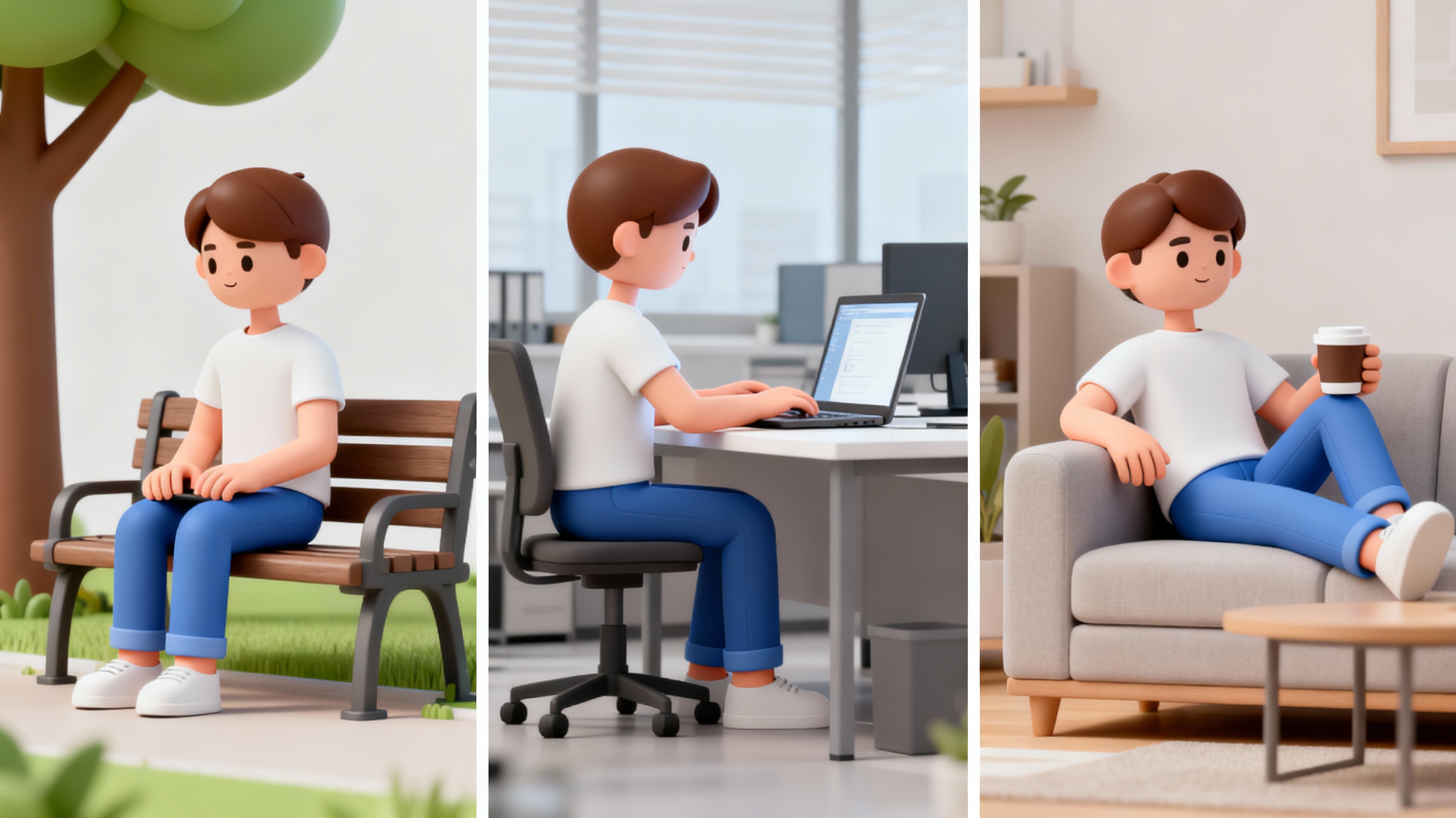
Maintaining character consistency across different scenes has been a major challenge in AI video generation. Veo 3.1 addresses this by accurately preserving a character's appearance and features throughout a video, making it a more viable tool for narrative projects.
Advanced Prompt Understanding
Veo 3.1 demonstrates a remarkable ability to interpret detailed and nuanced text prompts. It can translate complex creative ideas, including specific camera movements and artistic styles, into high-fidelity video with impressive accuracy.
Powerful Scene Extension
To create longer videos, the 'Scene Extension' feature allows users to seamlessly add new clips that continue from the end of a previous shot. This is achieved by using the final second of the preceding clip as a foundation for the next, ensuring visual and audio continuity. This feature allows for the creation of videos that can last for a minute or more.
Technical Advancements and Availability
Veo 3.1 is an evolutionary upgrade that enhances audio capabilities, extends scene length, and provides more granular editing controls. The model is capable of generating video in both 16:9 and 9:16 aspect ratios, with resolutions up to 1080p.
Alongside the primary model, Google has also released Veo 3.1 Fast, a lighter-weight version optimized for quicker iterations. Both models are available in a paid preview through the Gemini API, Google AI Studio, and Vertex AI. Veo 3.1 is also integrated into the Gemini app and Google's AI video editing tool, Flow.
The Competitive Landscape
Google's release of Veo 3.1 heats up the competition with other AI video generation models like OpenAI's Sora 2. While both models are capable of producing high-quality cinematic videos, Veo 3.1 is noted for its enhanced creative controls and integrated audio generation. Human evaluators have reportedly ranked Veo 3.1 as state-of-the-art in direct comparisons with competitors, excelling in areas like realism and character consistency.
Ethical Considerations
As with all generative AI technologies, there are concerns about potential misuse, such as the creation of deepfakes and misinformation. Google has stated that it is implementing safety and provenance features, including the use of SynthID for watermarking AI-generated content to help trace its origin.