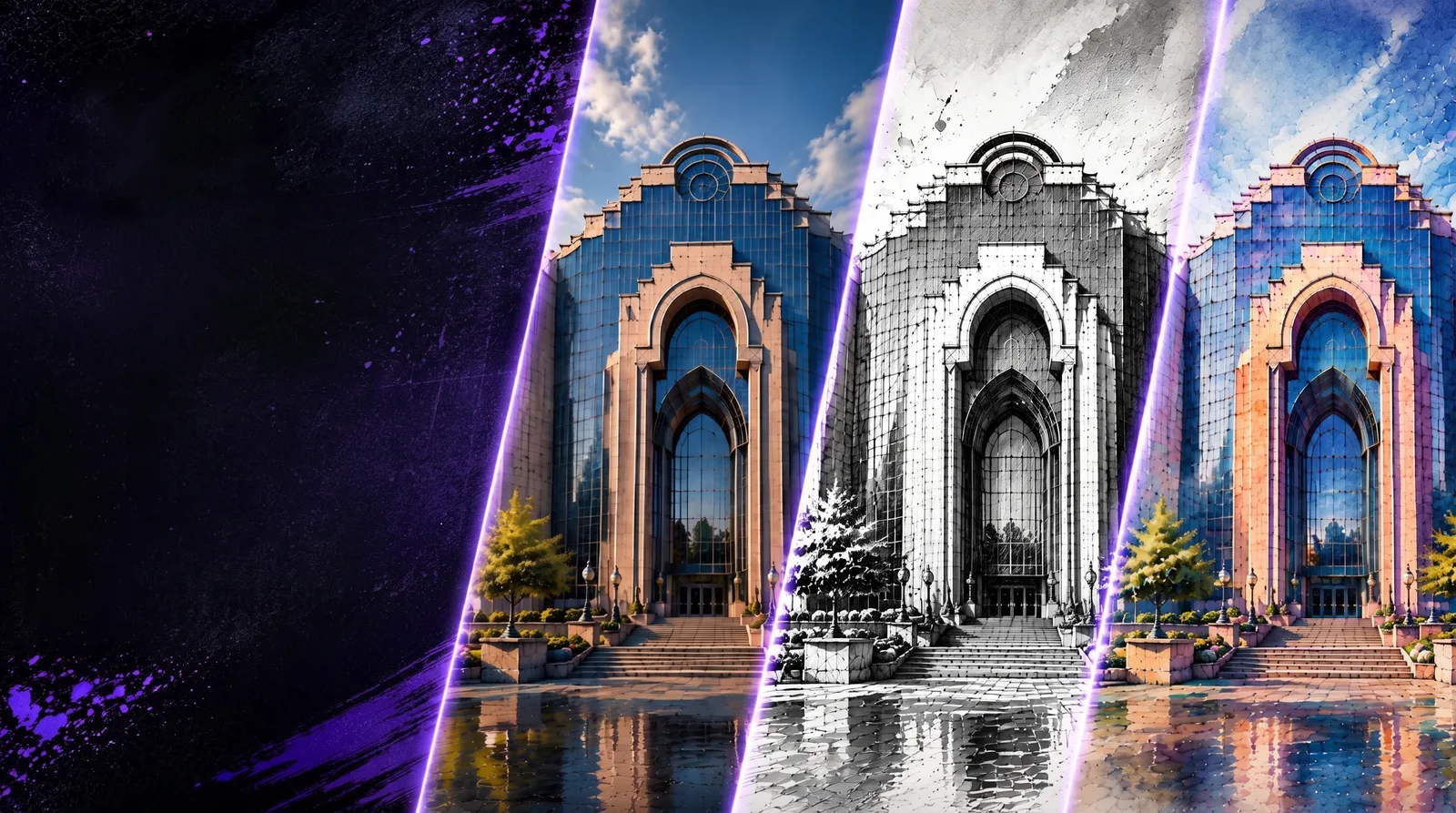
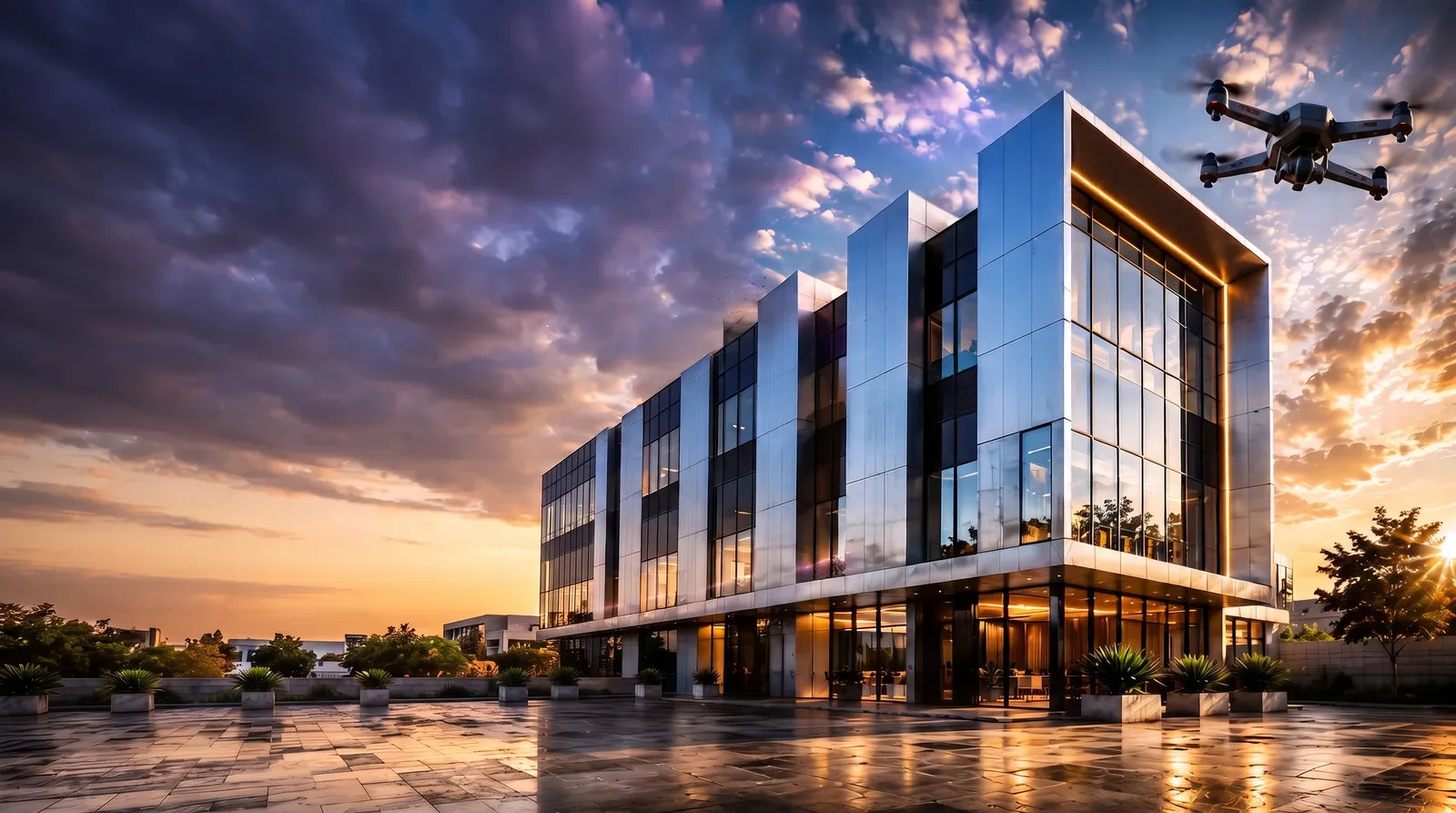
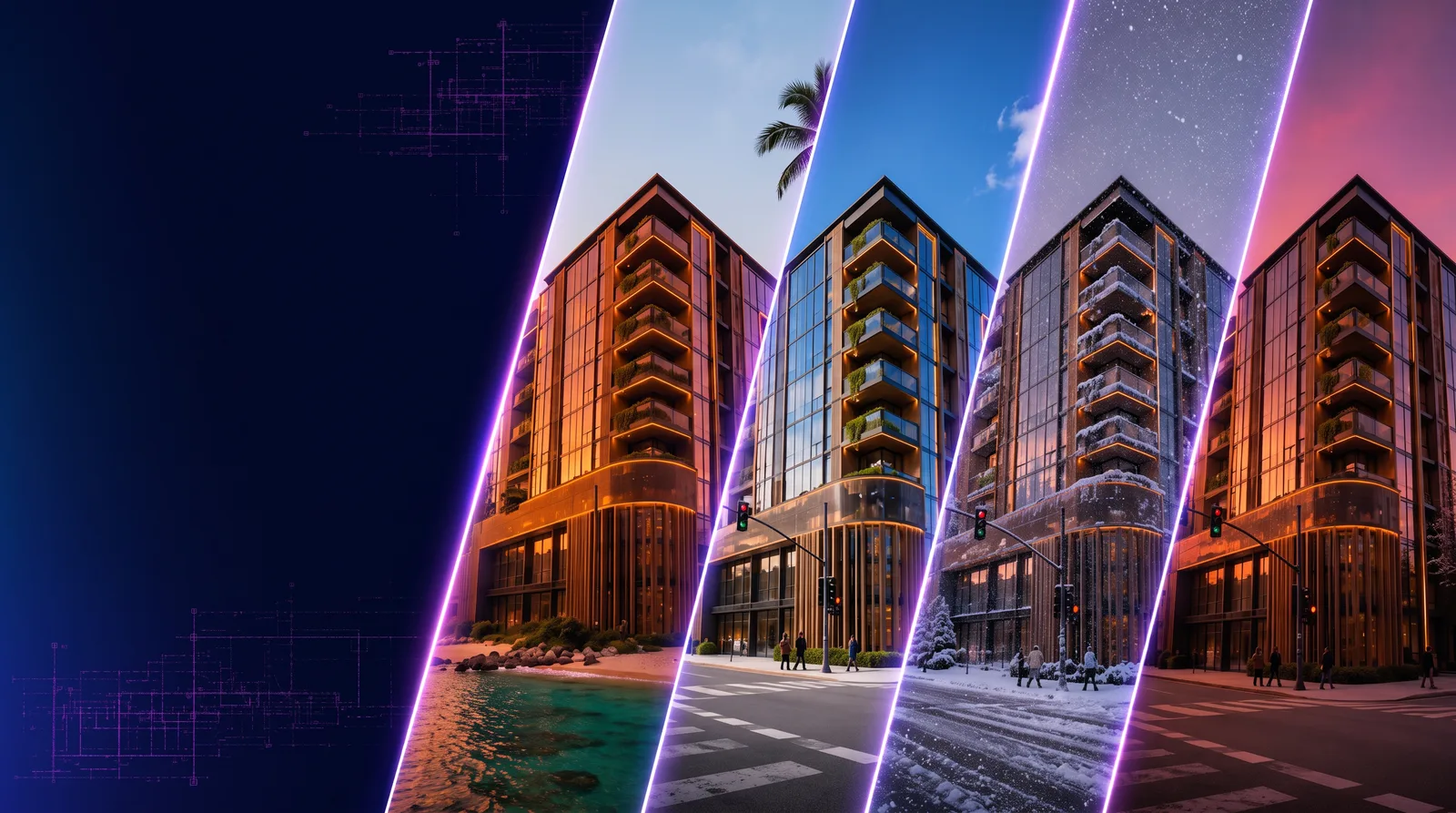
- AI edit tools can apply new materials to walls, floors, furniture, counters, and facades without rebuilding the 3D scene.
- Nano Banana Edit, SeeDreamV4 Edit, and ChatGPT Image Edit are the main edit models covered in this workflow.
- The strongest prompts target one surface or material at a time and preserve geometry, lighting, and camera angle.
- Architecture teams can test facade materials, cladding patterns, paving finishes, and other client-facing variations faster.
- Interior design teams can swap fabrics, floors, wall finishes, and counters while keeping the original composition intact.
RunDiffusion lets architecture and interior design teams add or replace textures in finished renders with Nano Banana Edit, SeeDreamV4 Edit, and ChatGPT Image Edit. Upload a texture reference and a target render, write a focused prompt, and test materials without sending the scene back through a full 3D render pipeline.
| At a glance | |
|---|---|
| Best fit | Architecture and interior design material swaps on existing renders |
| Tools covered | Nano Banana Edit, SeeDreamV4 Edit, and ChatGPT Image Edit |
| Input | A texture reference image plus the render or photo you want to edit |
| Output | A revised image with the requested material or texture change |
How to Add Textures with AI Edit Tools
Want to apply new materials to walls, floors, furniture, or facades without re-rendering your entire scene? RunDiffusion's AI Edit Tools make it easy to add or replace textures using just a prompt and image of your texture.
With tools like Nano Banana Edit, SeeDreamV4 Edit, and ChatGPT Image Edit, you can update a design or apply texture variations directly to a finished image.
What You'll Learn
- How to apply new textures to existing renders or photos
- The best Edit Models for material changes
- How to write effective texture-editing prompts
How Do I Replace Textures in an Image?
Here is a step by step approach.
- Login to your account.
- Go to the RunDiffusion Runnit platform.
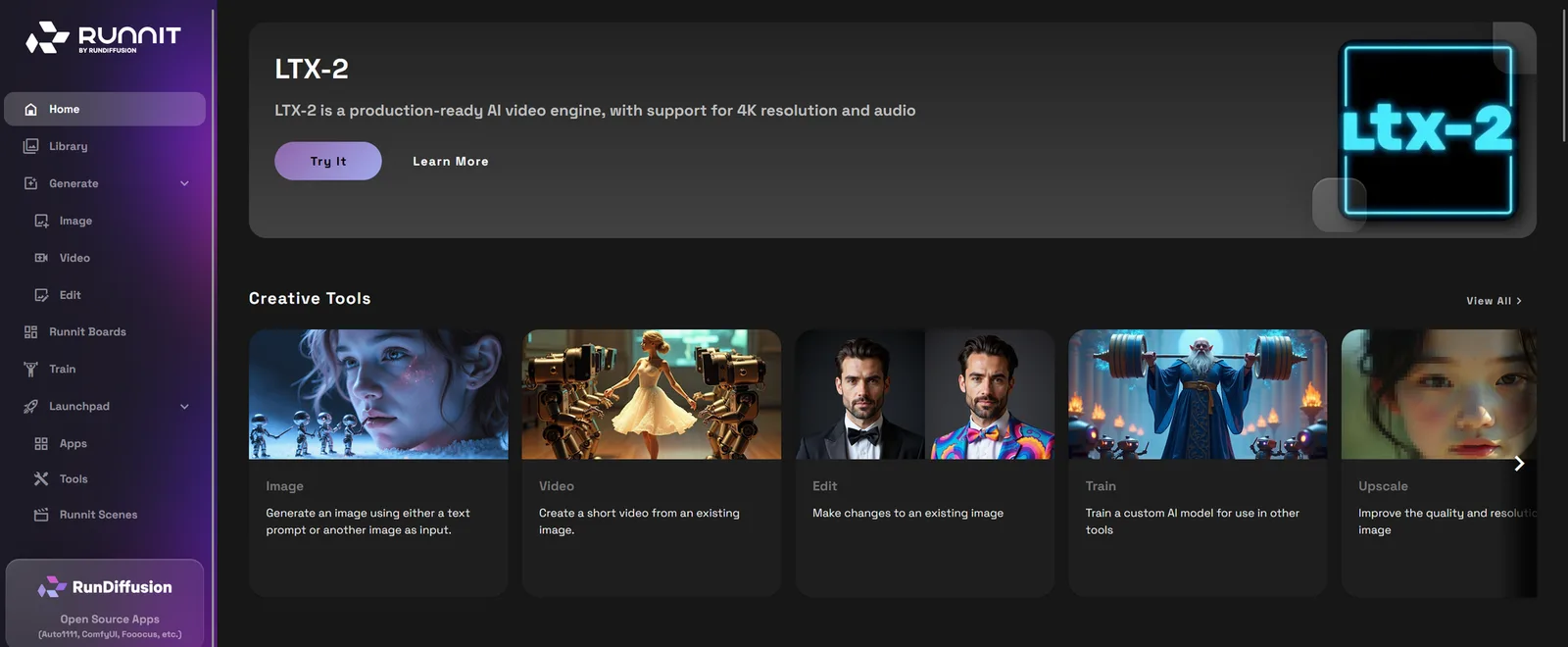
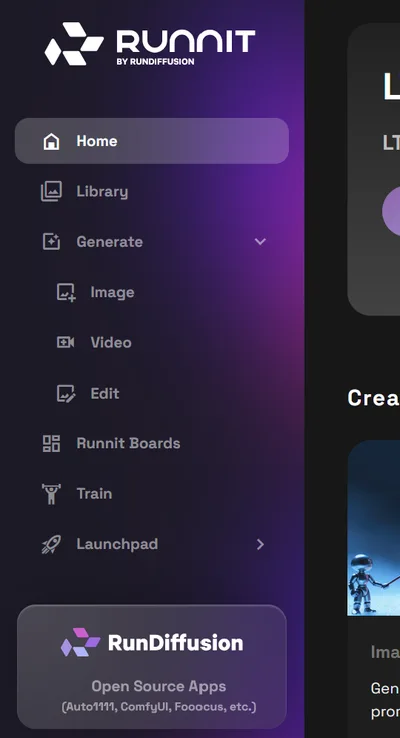
- In the left sidebar, click Generate, then click Edit.
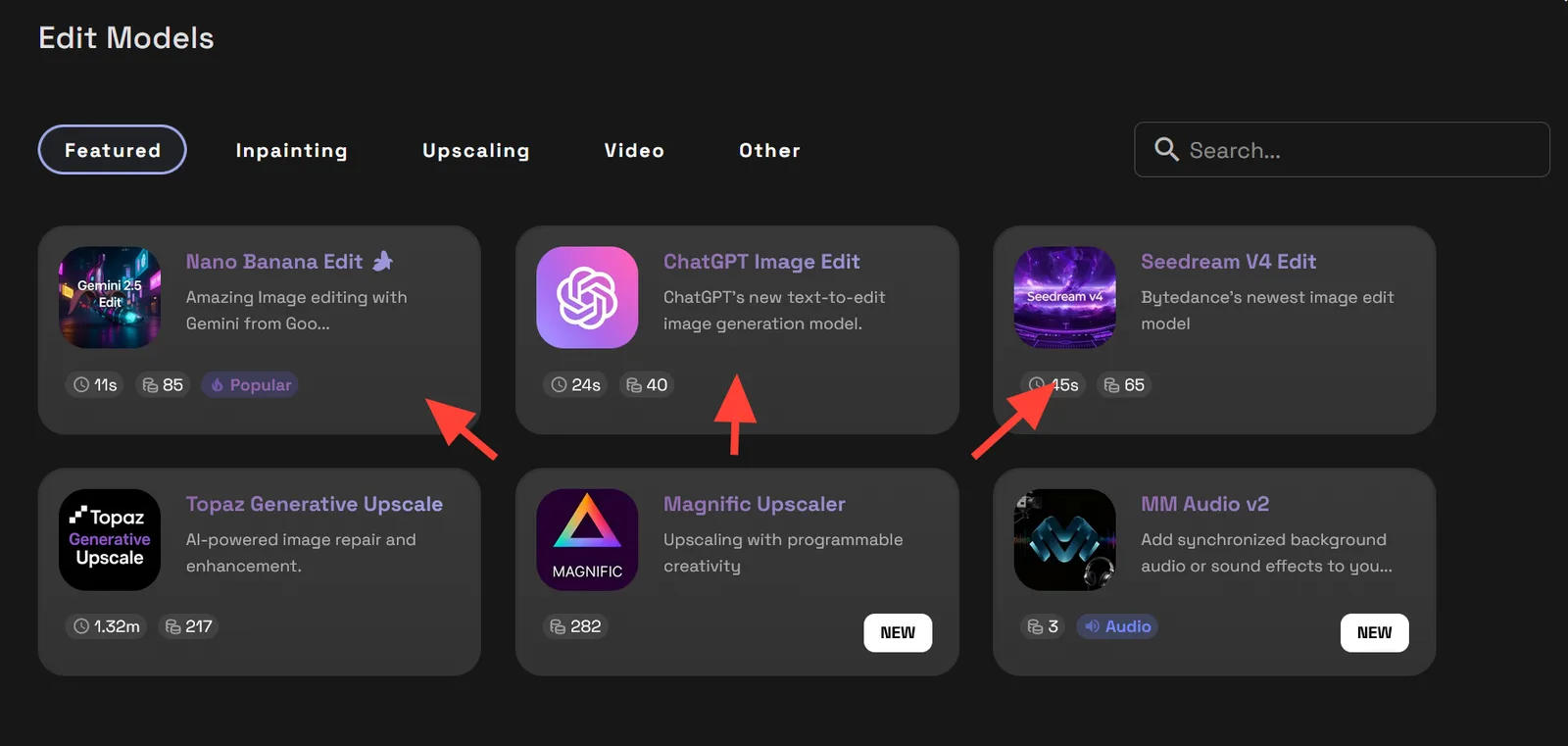
- Select an image edit model such as Nano Banana Edit, SeeDreamV4 Edit, or ChatGPT Image Edit.
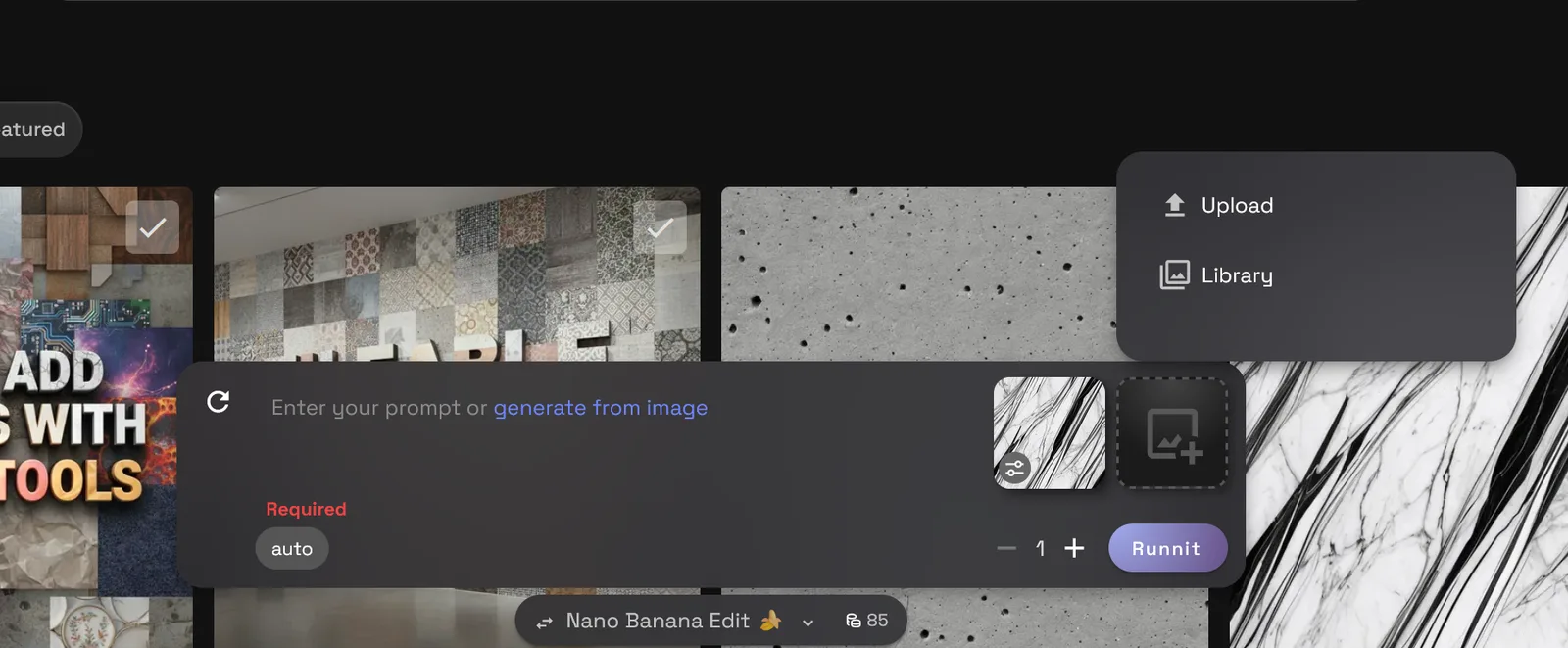
- Upload or select from your library your existing image or render of the texture you want to add. Then, in the second image slot, add the image you would like to apply the texture to.
- Write a Prompt, then click Runnit to render your new image.
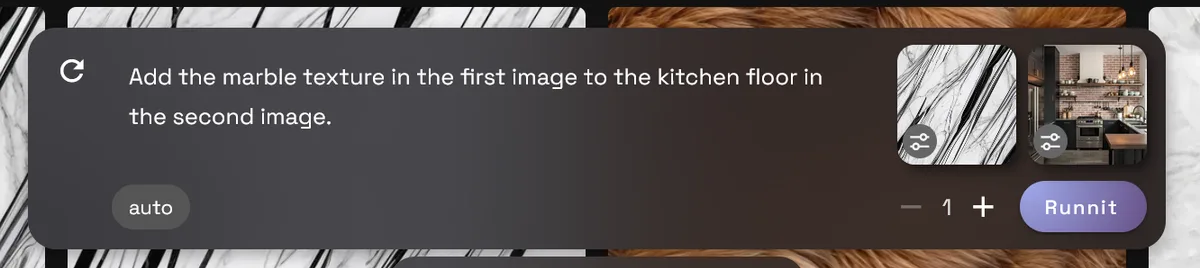
Example prompt:
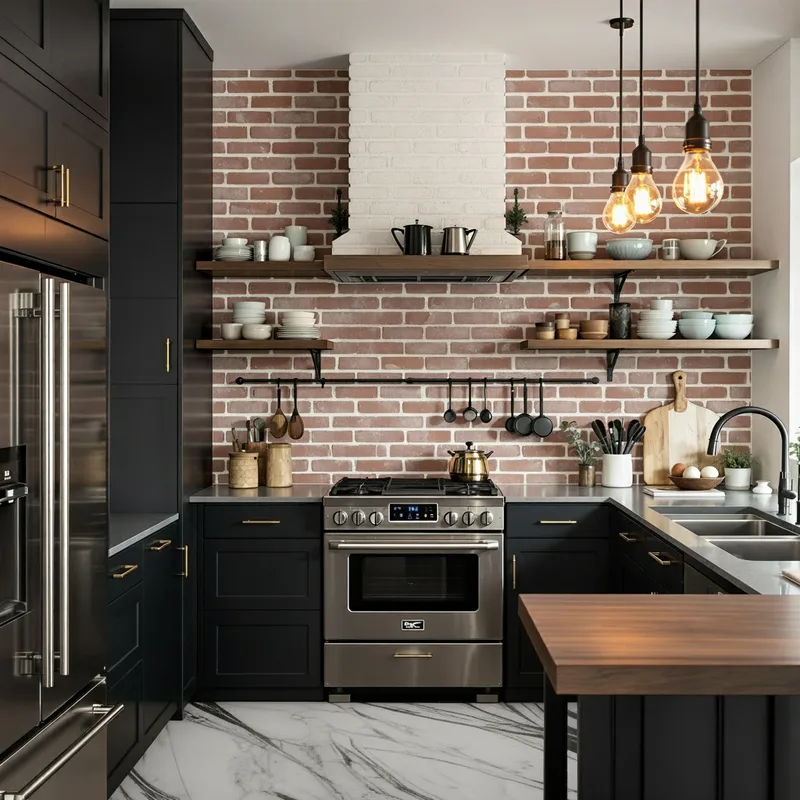
Add the marble texture in the first image to the kitchen counter and floor in the second image.
How Do I Add Texture to a Render Without a Texture Image?
You can also describe the material change directly in the prompt. Keep the request focused on the specific surface you want to change.
Prompt Examples for Texture Editing
- Replace wall with vertical wood slats, keep lighting and layout
- Change flooring to matte black tile, soft natural shadows
- Swap sofa fabric for deep green velvet, retain rest of scene
- Replace building facade with ribbed concrete, no change to structure
Tips for Best Results
- Keep prompts focused: target one surface or material at a time.
- Use terms like "replace," "change," or "apply."
- Avoid structural edits if you want to preserve geometry.
- For higher-resolution output, use a render enhancer or upscaler after editing.
How This Helps Architecture and Interior Design Teams
Texture edits are especially valuable when you are working on client facing imagery.
Architecture teams can test different facade materials, cladding patterns, or paving finishes without sending a model back through a full render pipeline. For broader practice workflows, see Architecture AI Solutions.
Interior design teams can swap furniture fabrics, flooring, or wall finishes to match client feedback while keeping the same composition, camera angle, and lighting. See Interior Design AI Solutions for more on studio workflows.
In many studios, these edit workflows sit alongside concept generation, mood boards, and final presentation imagery as part of a broader AI-assisted pipeline.
If your studio relies on RunDiffusion for broader project workflows, these texture workflows sit alongside concept generation, mood boards, and final presentation imagery inside the same cloud-based platform.
Final Thoughts
RunDiffusion's Edit Tools give you the power to change materials or test new textures with minimal effort. Whether you are refining a client presentation or exploring visual ideas, image editing with AI is now accessible and intuitive.
Start testing material swaps today using your free daily tokens.
Related reading:
Try material swaps in RunDiffusion
Use AI edit models to test textures, finishes, and surfaces from a browser-based creative workspace.