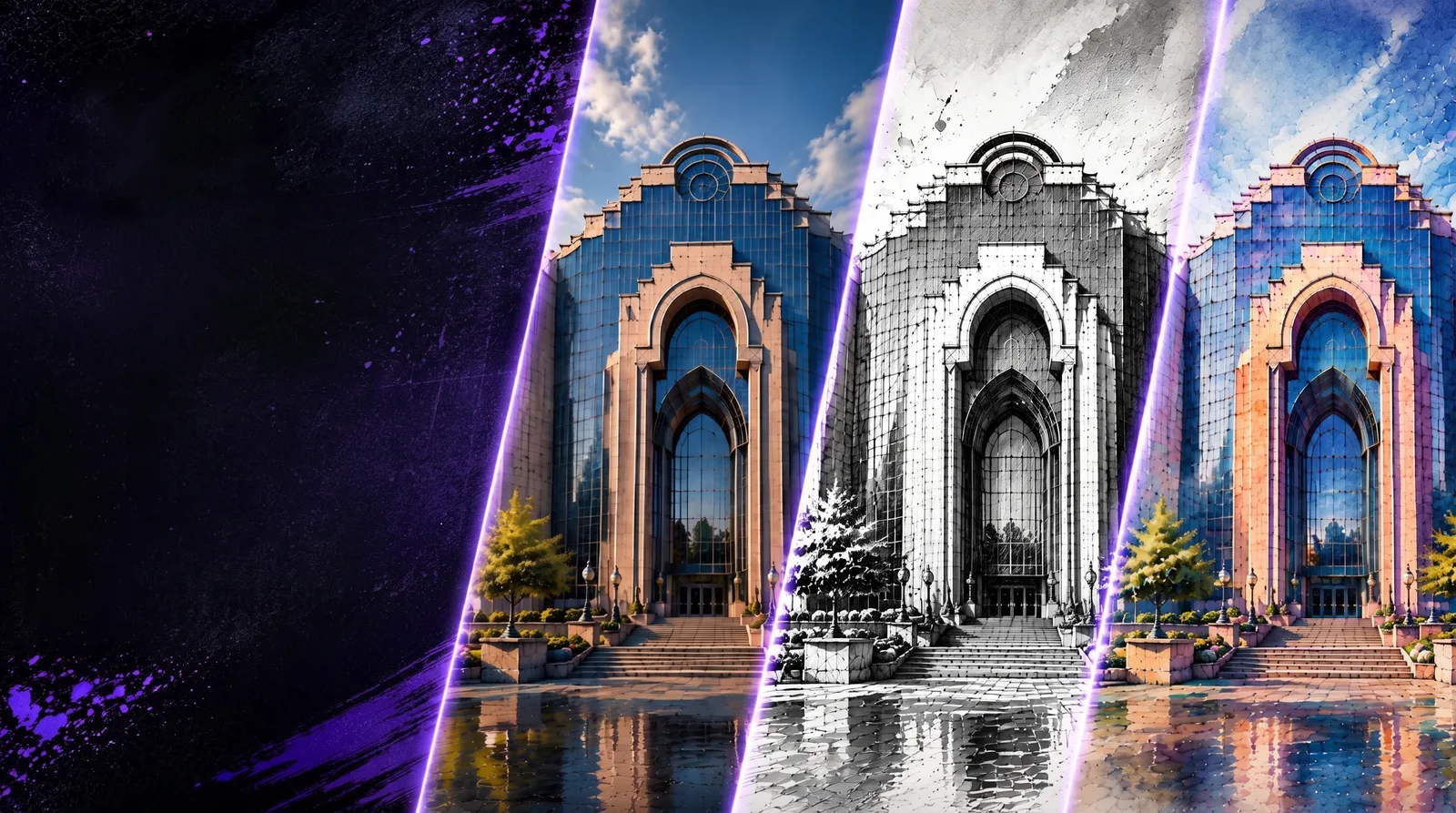
- AI texture generation helps create material references for cladding, concrete, stone, wood, metal, marble, and custom surfaces.
- RunDiffusion supports prompt-based image generation and image editing workflows in the browser.
- Models such as Nano Banana, ChatGPTImage, Juggernaut Lightning Flux, and Juggernaut XII can produce different texture styles.
- Texture outputs can support mood boards, material studies, visualization references, and tileable pattern exploration.
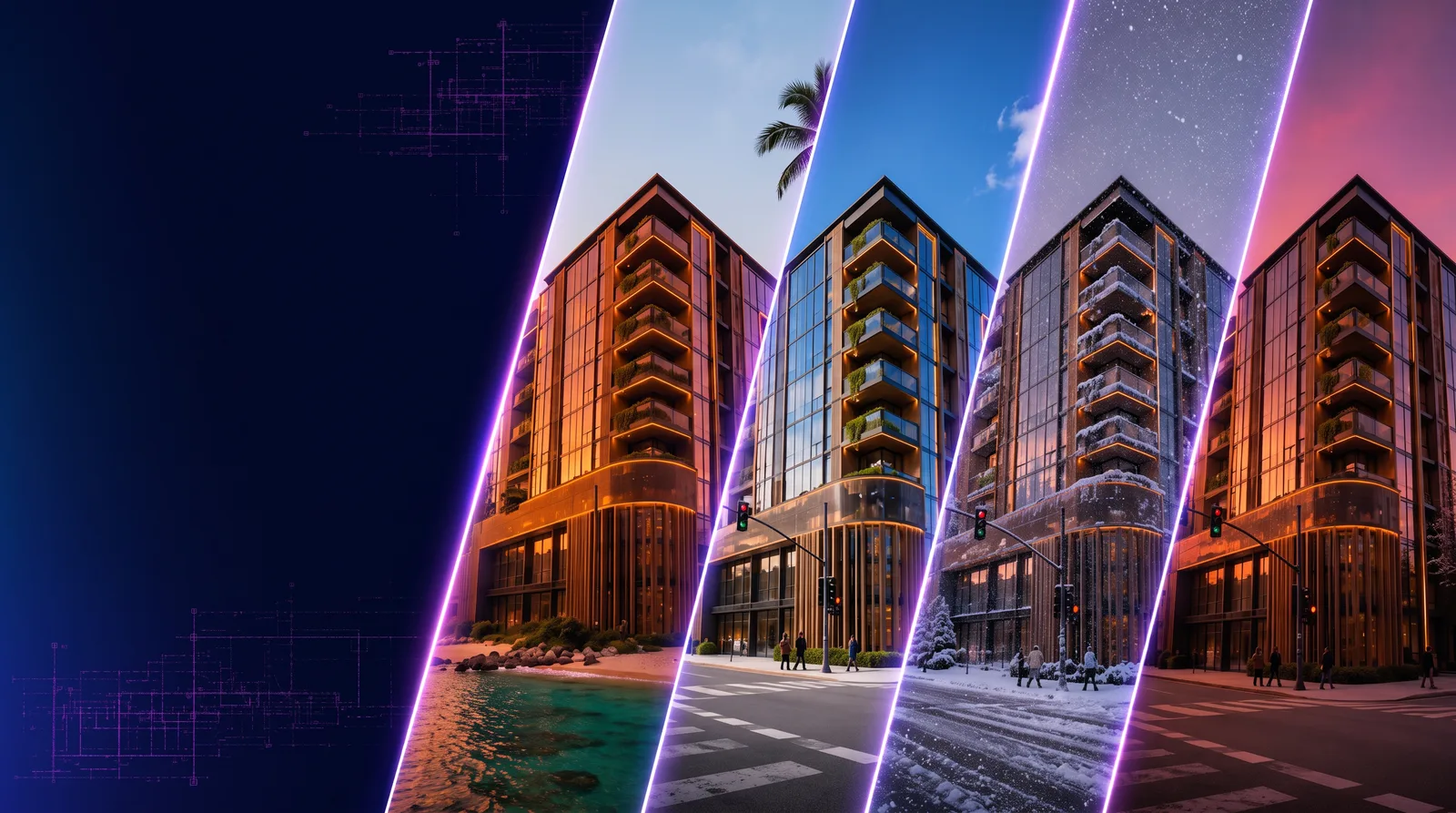
- Edit tools can apply a generated or uploaded texture to an existing architectural render.
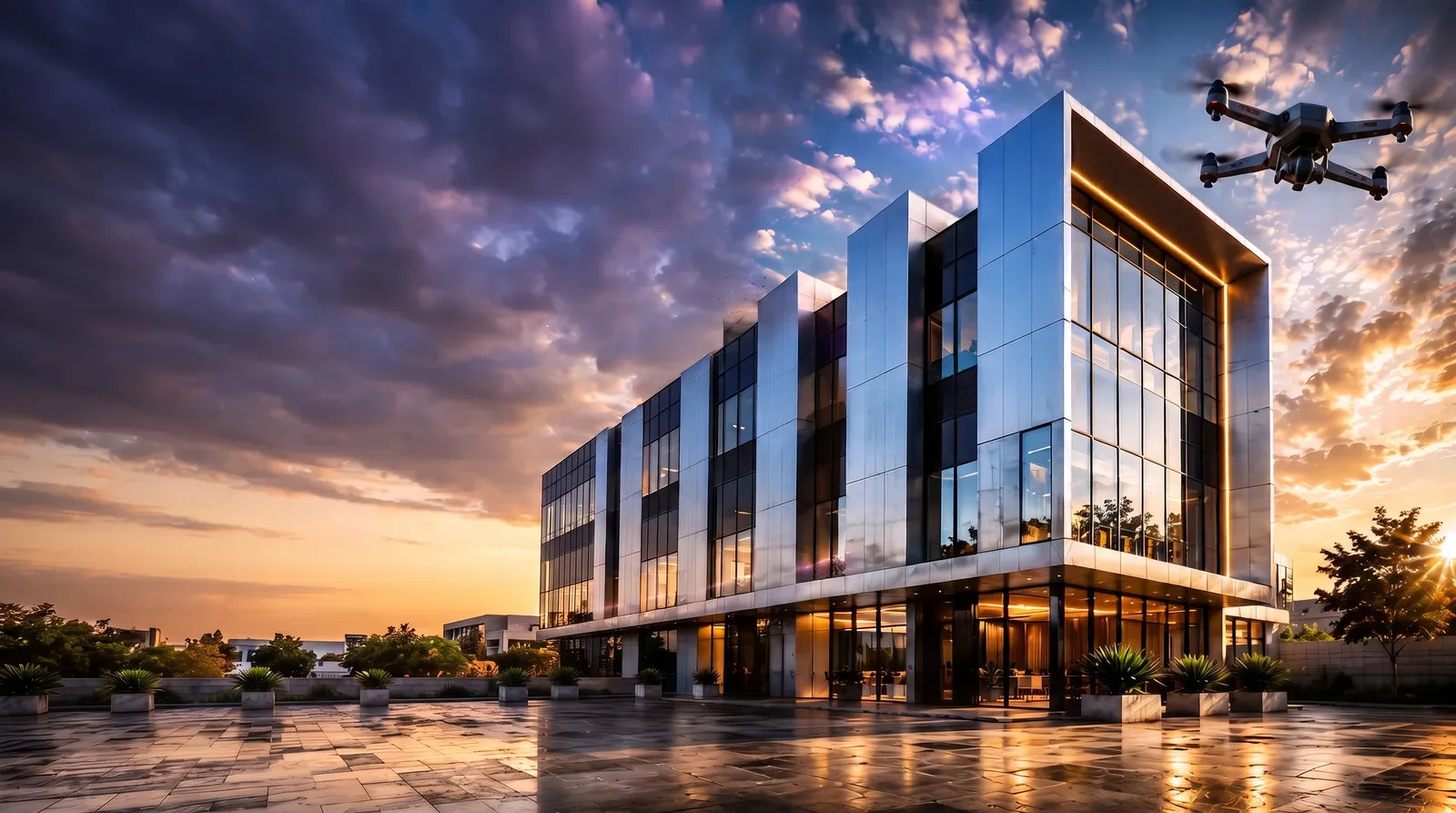
RunDiffusion lets architects, designers, and 3D artists generate architectural texture references from prompts, then refine or reuse them for material boards, renders, and tileable texture studies.
| At a glance | |
|---|---|
| Best fit | Architecture material studies, texture references, and render refinement |
| Inputs | Text prompts, generated texture swatches, or uploaded images |
| Example materials | Limestone, concrete, Shou Sugi Ban wood, aggregate wall, marble, and patina metal |
| Platform | RunDiffusion Runnit image generation and edit tools |
Designers, architects, and 3D artists often need high-quality textures that match real-world materials. Whether you are visualizing cladding, concrete, or creative surfaces, RunDiffusion provides tools to generate textures with style, realism, and flexibility, no login or 3D software required.
You can start with a simple text prompt and render visual references with one of our image models, or add texture swatches instantly using our image edit models. With the Runnit platform, your outputs can be photorealistic, stylized, or even made tileable using upscale and enhancement tools.
What You'll Learn
- How to create architecture textures using AI
- The best image models to use for texture generation
- How to generate tileable or seamless textures
- How to refine texture images using edit tools
- 10 example prompts for material-specific textures
How to Generate a Texture with AI
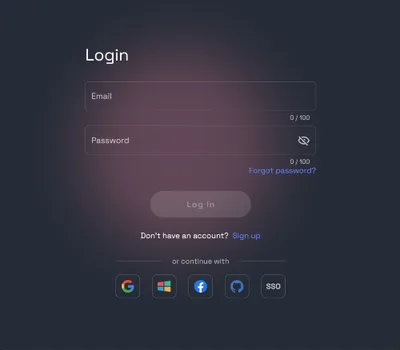
Log in: https://app.rundiffusion.com/login
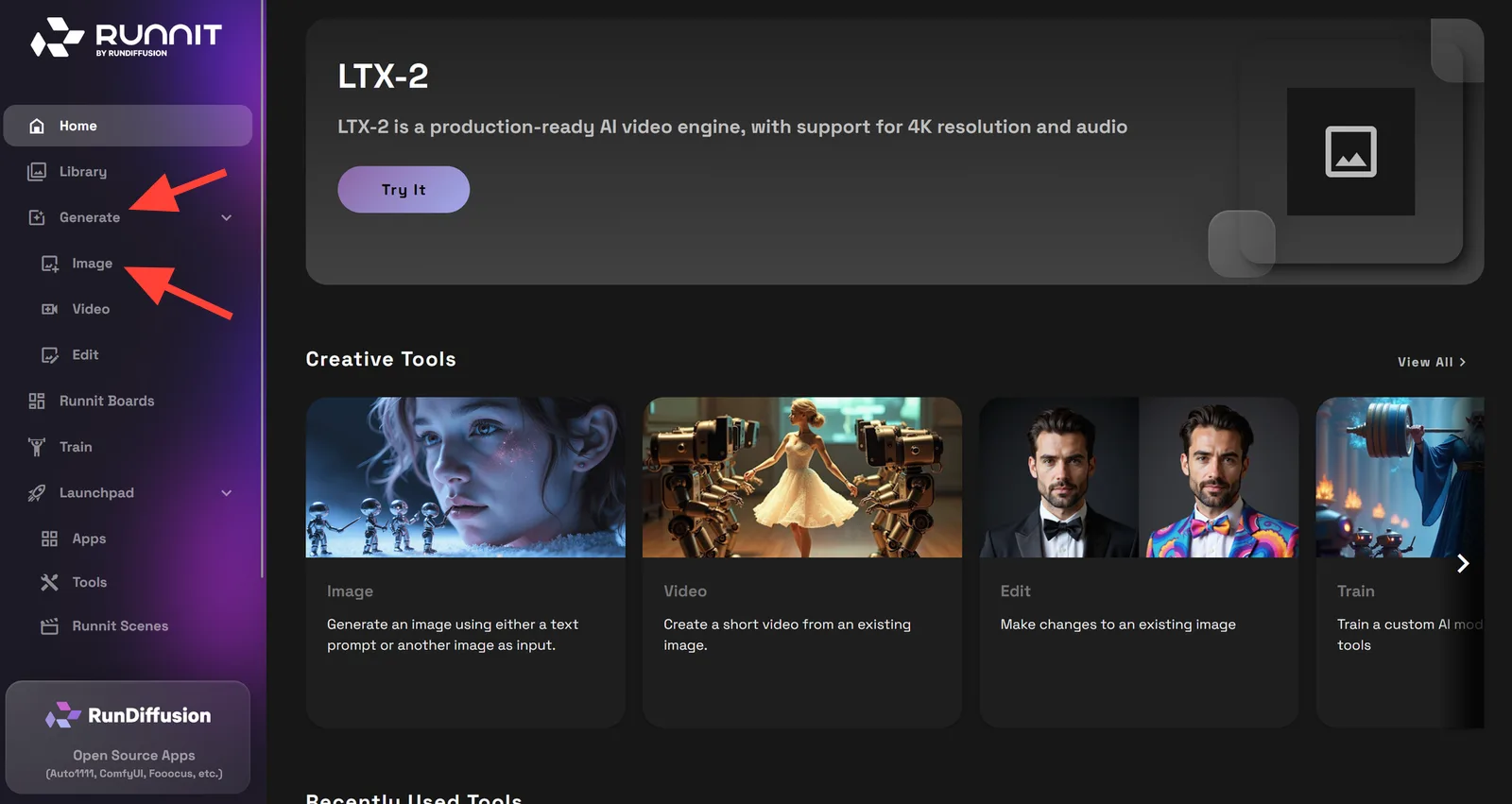
Select Generate and then Image on the left sidebar.
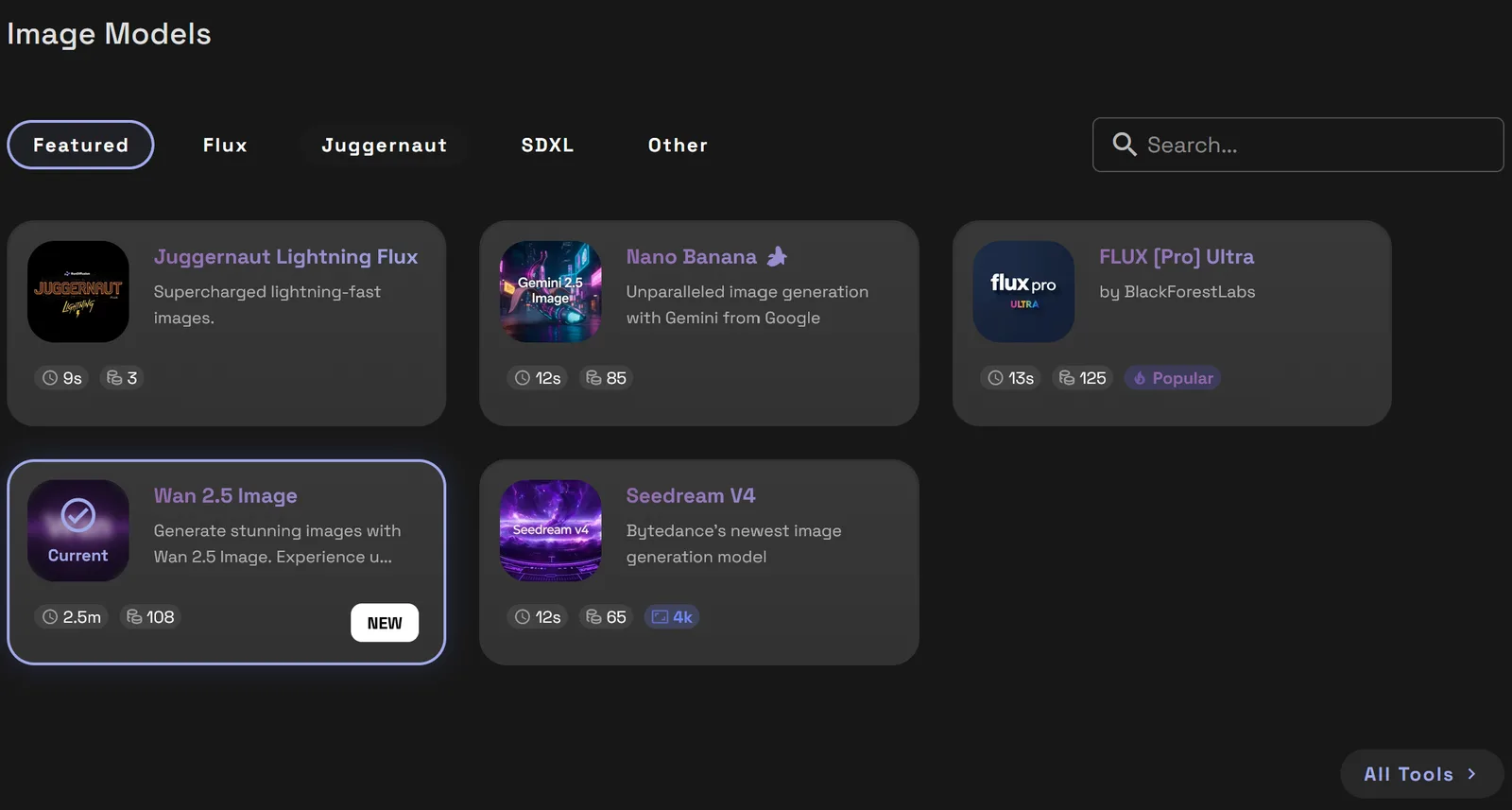
Choose a Model. Each model has its own strengths, and RunDiffusion offers a variety. Select a model such as Nano Banana, ChatGPTImage, or Juggernaut Lightning Flux.
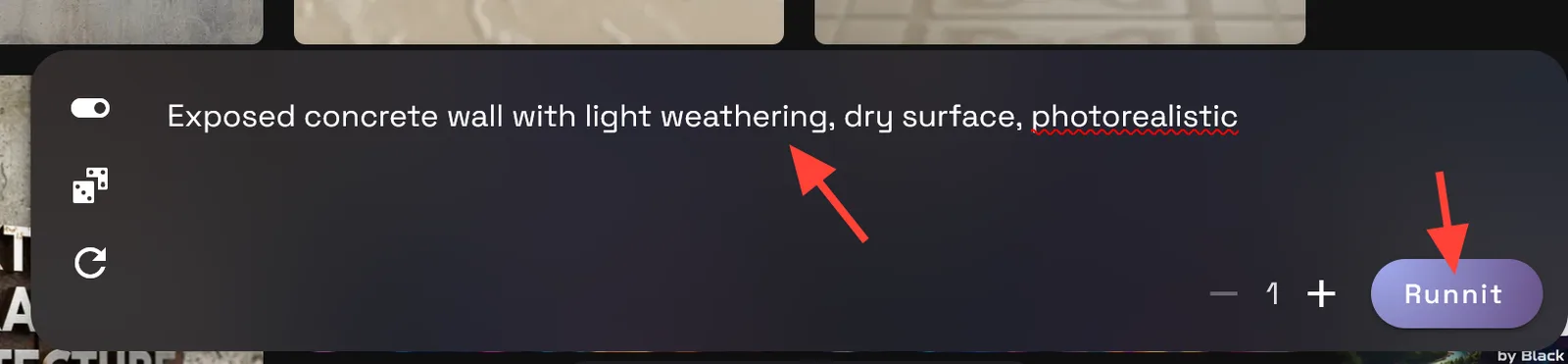
Enter a prompt describing the material texture you want. Be specific about surface type, finish, lighting, color, and realism. Click Runnit to generate your render.
Example prompt:
Exposed concrete wall with light weathering, dry surface, photorealistic.
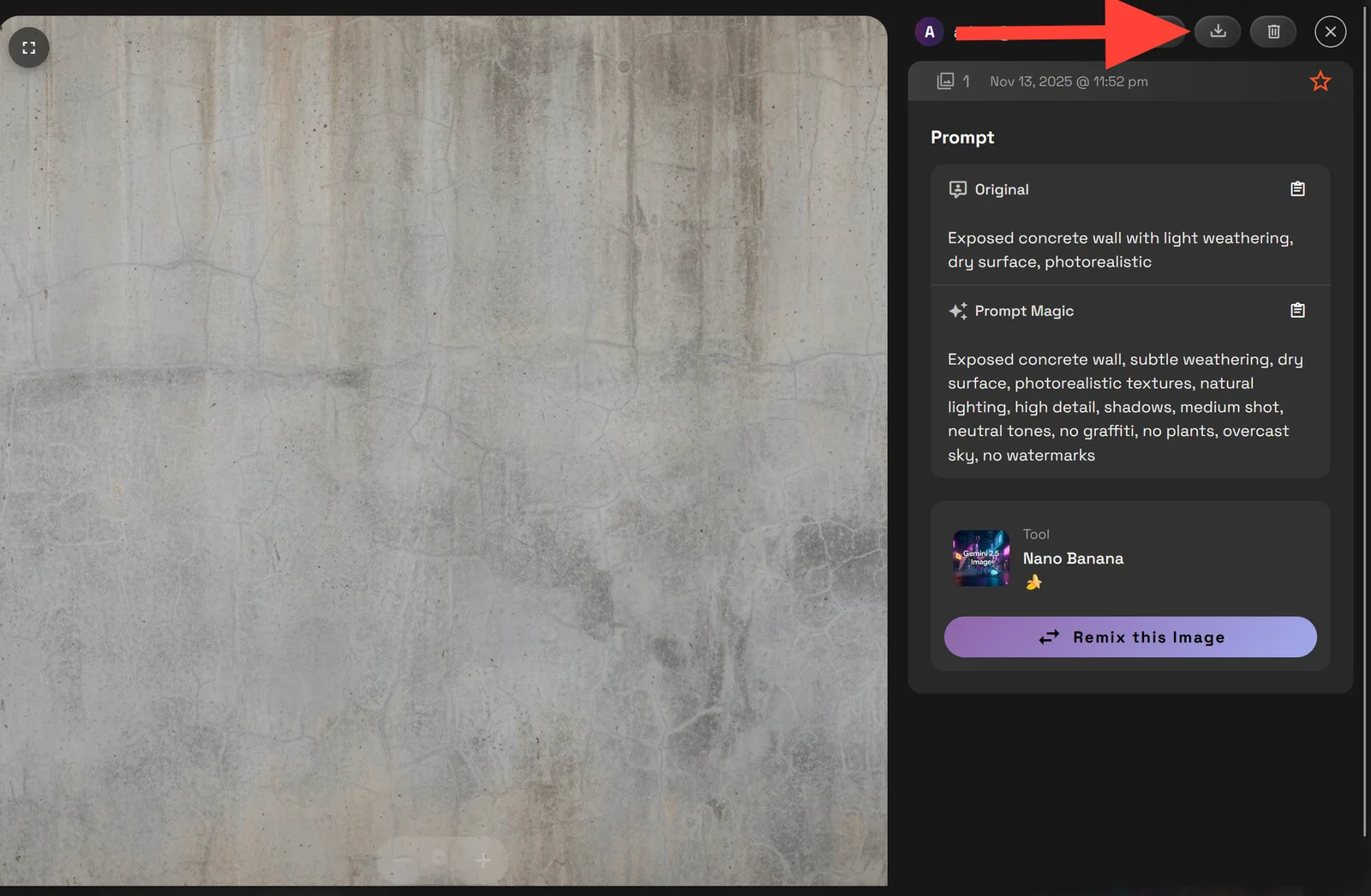
Click your render, then use the download icon to save it.
5 Sample Prompts for Architectural Textures
These prompts are optimized for architecture workflows and can be used in mood boards, material studies, and visualization references:
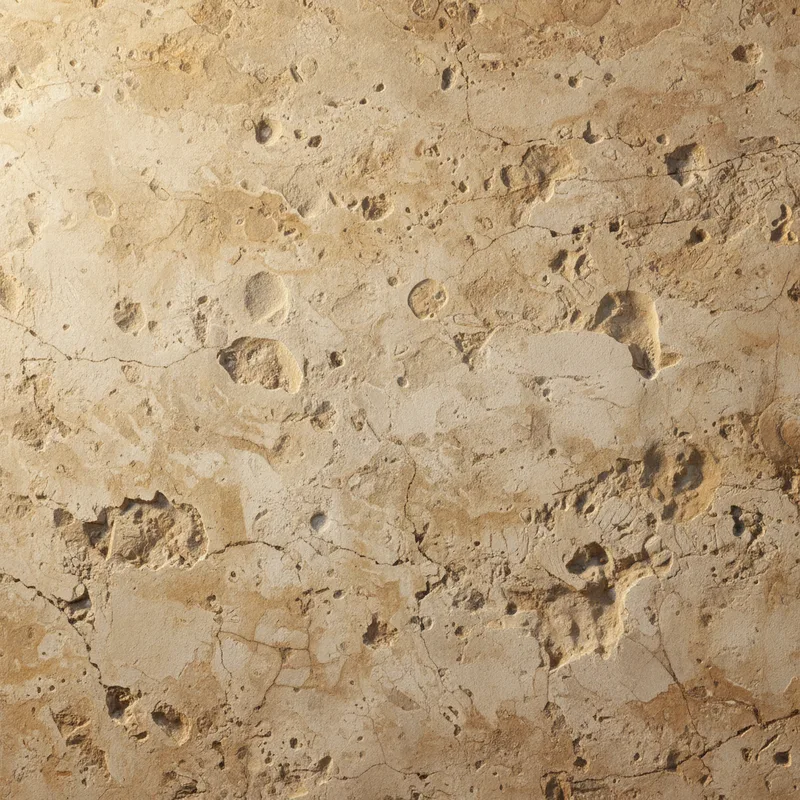
Natural Limestone Cladding
Model: Nano Banana
Prompt:
Natural limestone cladding wall, aged surface, rough texture, soft shadows, intricate details, warm lighting, high resolution.
Click here to try it yourself.
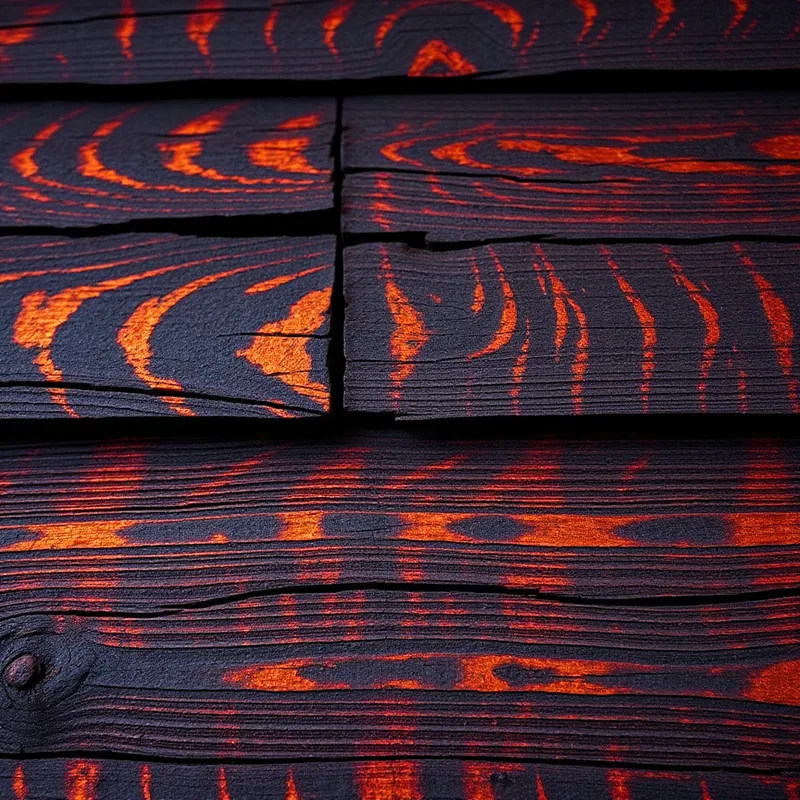
Shou Sugi Ban Wood Siding
Model: Juggernaut Lightning Flux
Prompt:
Close-up of burnt wood siding in Shou Sugi Ban style, showcasing intricate textures, dramatic lighting, high contrast.
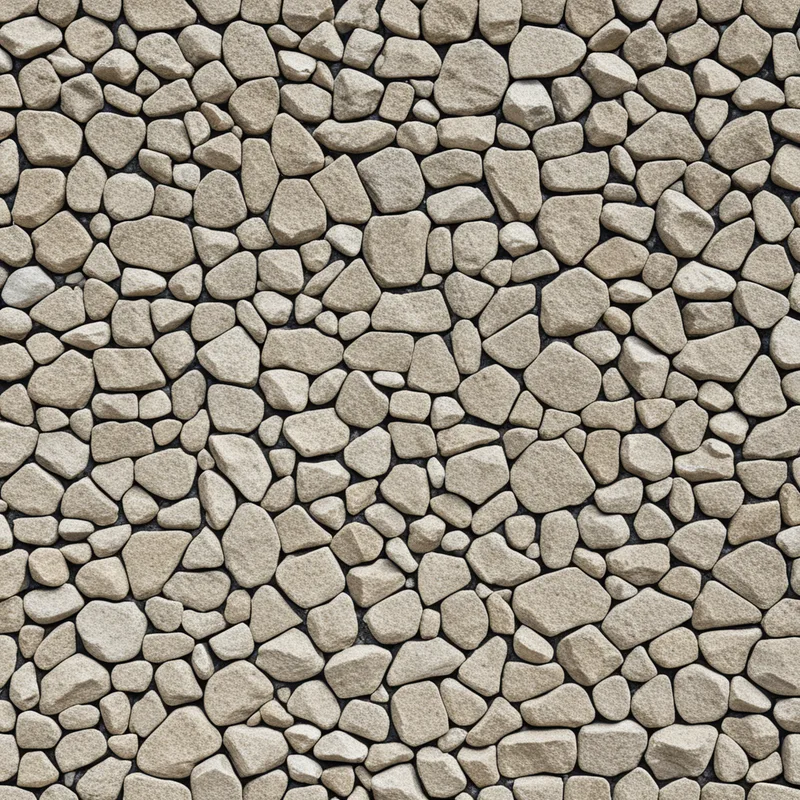
Rough Aggregate Wall
Model: Juggernaut XII
Prompt:
Rough aggregate wall, sharp stone texture, dry daylight render.
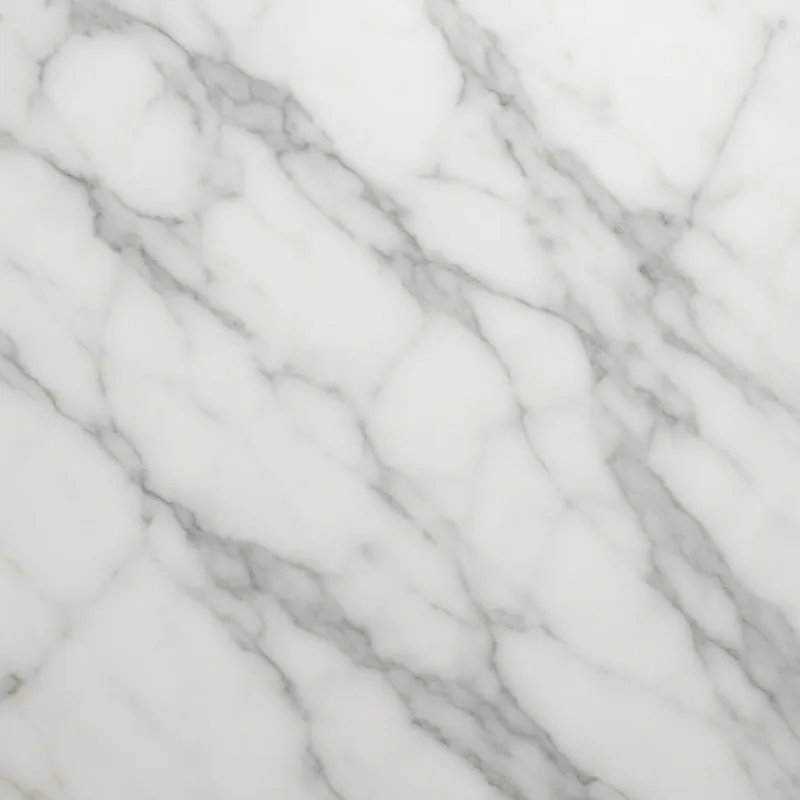
Polished Marble
Model: ChatGPT Image
Prompt:
Polished marble with gray veining, editorial lighting, overhead light.
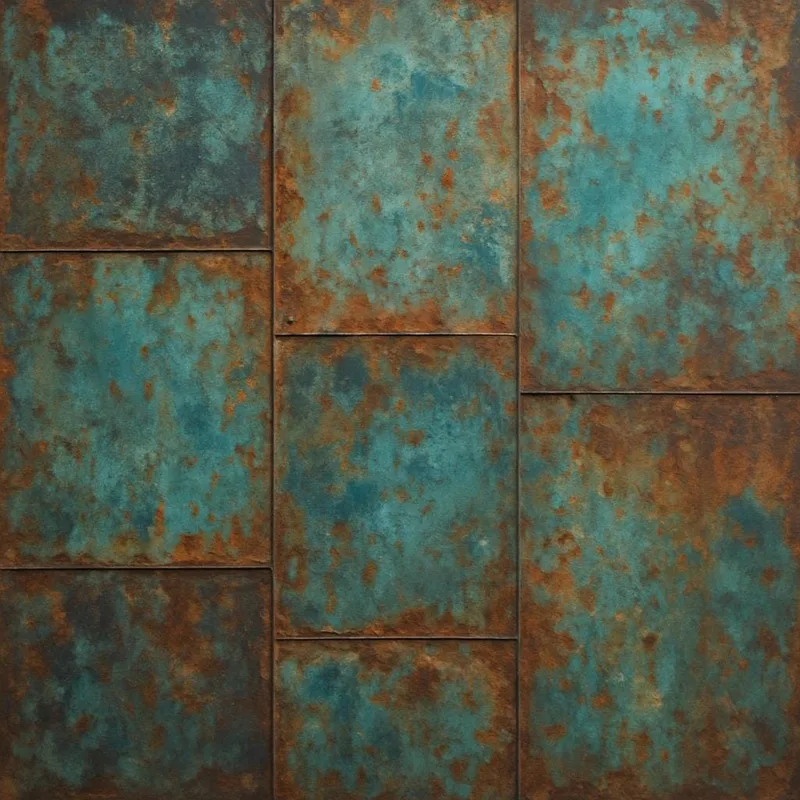
Recycled Metal Panel
Model: ChatGPTImage
Prompt:
Close up of a recycled metal panel with patina and oxidized finish.
How Do I Make Textures Tileable?
If you are generating textures to use in pattern fills, backgrounds, or 3D applications, tileability matters.
Full Guide: How to Create Tileable Textures with AI
Add Textures to Your Renders with Edit Tools
You can upload an existing texture or use a texture you created and apply it directly to an image.
Learn How to Add Textures with Edit Models
Example prompt:
Replace wall texture with exposed concrete, keep lighting and layout.
Final Thoughts
With RunDiffusion's AI texture generator tools, you can quickly build out your material boards, enhance your renders, and create tileable patterns for any architectural style. Whether you are visualizing stone, wood, metal, or custom textures, RunDiffusion makes the process faster.
Use your free daily tokens to try it now: https://app.rundiffusion.com/login
Related Guides
Try texture generation in RunDiffusion
Use Runnit to create material texture references from prompts and refine them with image edit tools.
Frequently asked questions
QCan AI generate textures for architecture?
Yes. AI image models can generate texture references for architectural materials such as stone, wood, concrete, metal, and marble. Architects still review the output before using it in production visuals.
QCan I make AI textures tileable?
Tileability matters when a texture will be repeated in fills, backgrounds, or 3D applications. RunDiffusion offers workflows and related guides for creating seamless texture patterns.
QCan I apply a generated texture to an existing render?
Yes. You can upload a texture or use one you generated, then use image edit tools to replace or refine material surfaces in an existing render.
QWhich models should I try first?
The source workflow highlights Nano Banana, ChatGPTImage, Juggernaut Lightning Flux, and Juggernaut XII for different architectural texture examples.